



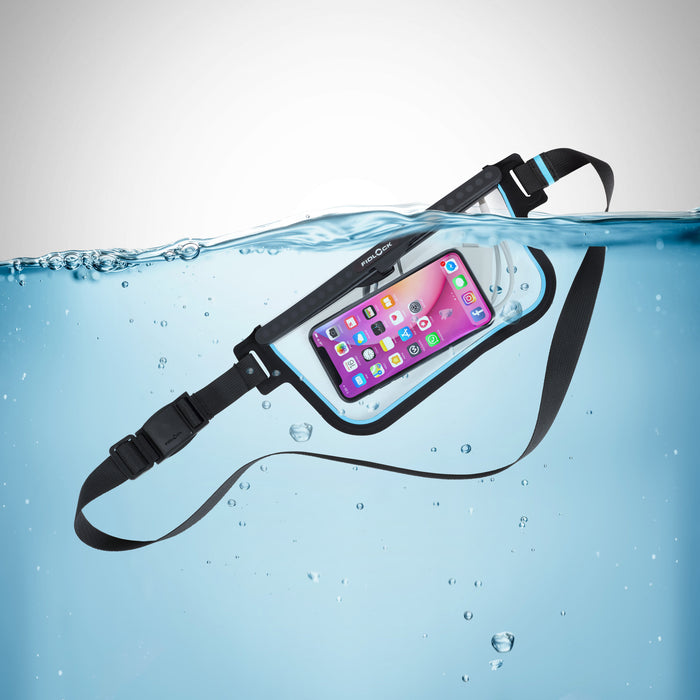
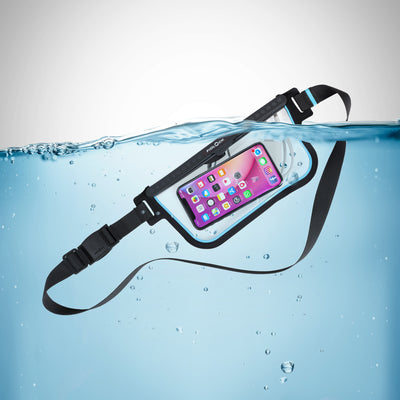
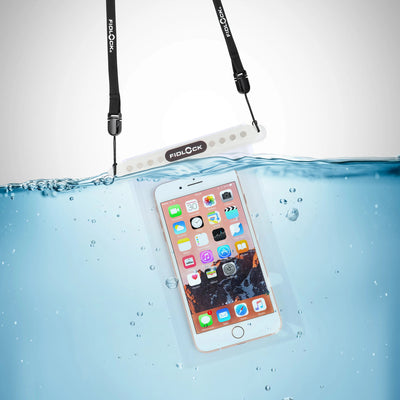


On a snorkelling trip, keep your phone, card and cash sealed in a waterproof pocket on you, and leave everything else at your accommodation. Boat decks are wet, crowded and unattended while everyone is in the water, and a bag left on a bench is easy to knock over or pick up by mistake.
Before you book
- Ask whether the boat has dry storage. Many don't, or it's a shared tub.
- Check what's included: masks, fins, wetsuits, lunch.
- Find out if you'll stop at an island or beach, where your gear may be left on the sand.
What to bring
- Reef-safe sunscreen and a rash vest.
- A light layer for the ride back.
- Your phone, one card and a little cash for the island stop.
- Seasickness tablets if you need them.
What to leave behind
Your passport, spare cards and most of your cash. Take a photo of your passport instead.
Where to keep your phone in the water
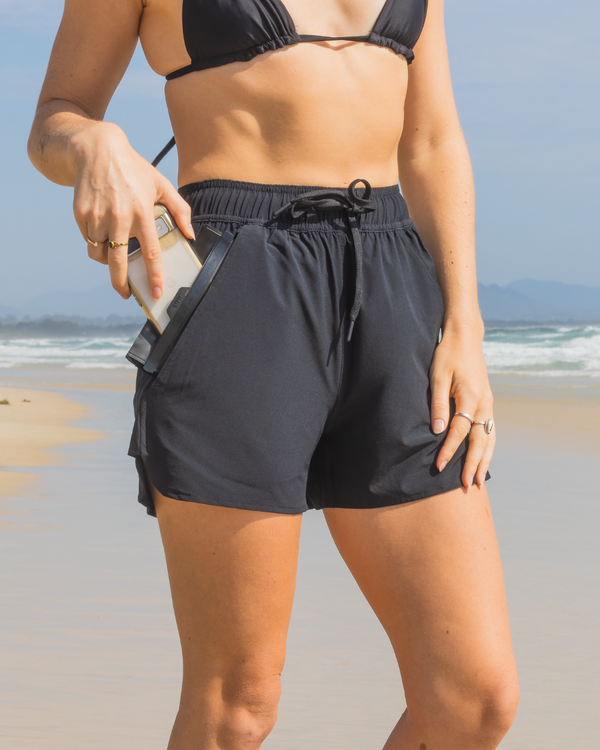
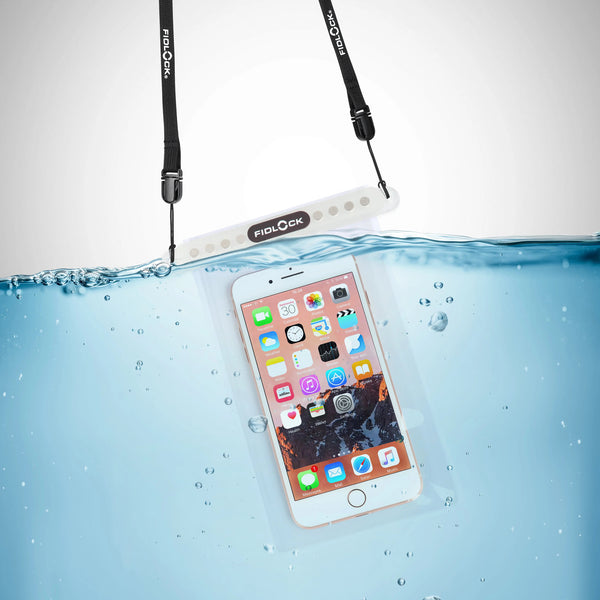
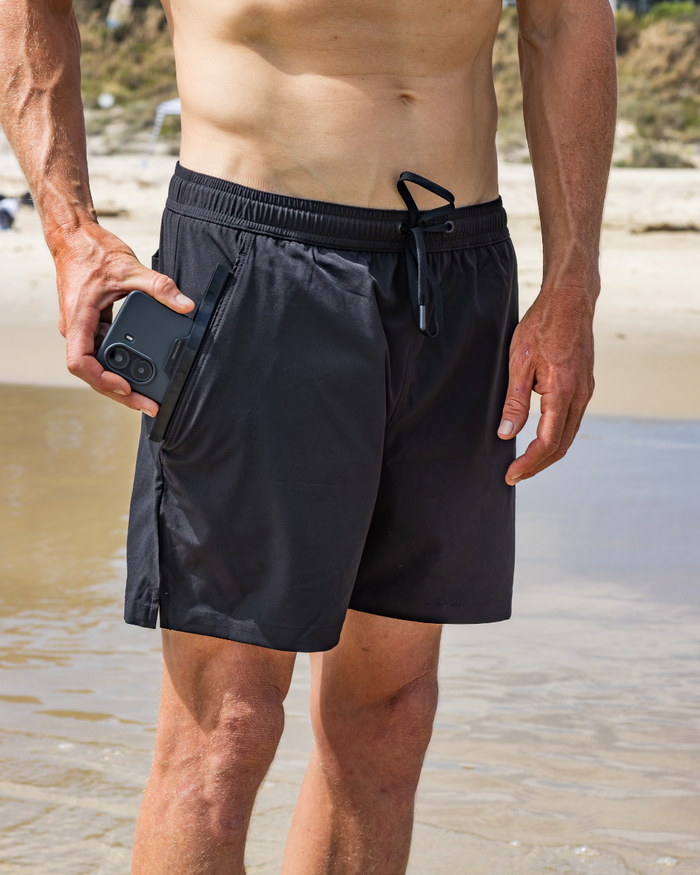
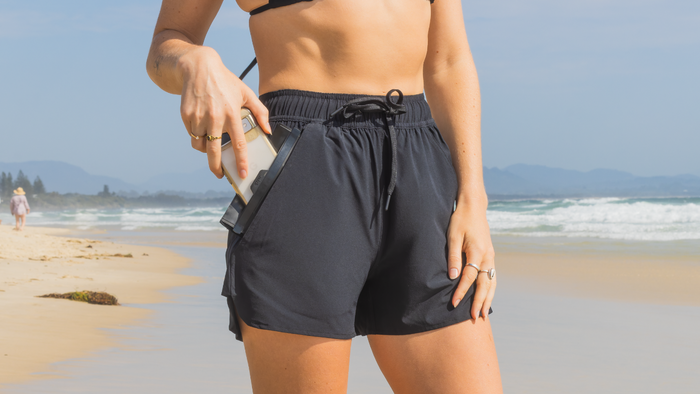
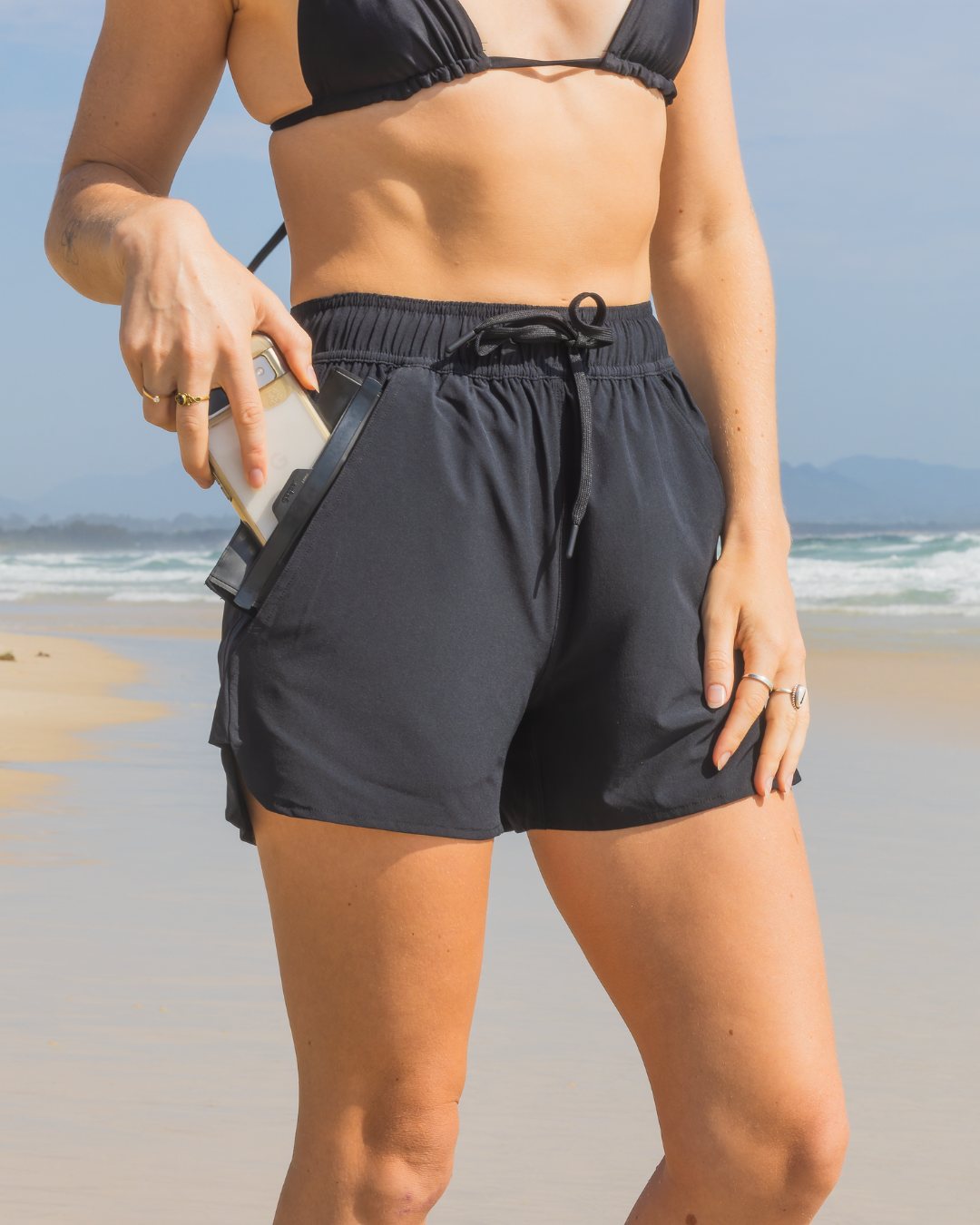
A waterproof pocket built into your swim shorts keeps your phone, card and cash on you while you snorkel. Ours is IPX8-rated to 30 metres and seals itself with magnets. It's for keeping your things dry, not for underwater photos, so if you want reef photos, take a dedicated underwater camera.
Island stops and beach landings
When the boat stops at a beach, people spread out and bags get left on the sand. With your essentials on you, you can swim straight off the beach without arranging a bag-minder.
What we'd wear
The Pass mid-length gives more coverage for climbing on and off boats. For men, our black swim shorts or the longer swim and travel shorts.
“Just back from snorkelling in Fiji. I wore the pouch around my waist under my shirt when out touristing and on the boats to keep my valuables hidden and secure.” Justine B.
FAQs
Can I take my phone snorkelling?
You can carry it sealed in an IPX8 pocket to keep it dry and with you. Don't rely on a phone's own water rating in salt water.
Can I scuba dive with the pocket?
The pocket is tested to 30 metres. Don't stay down longer than 60 minutes at a time, as long periods under pressure strain the seal.