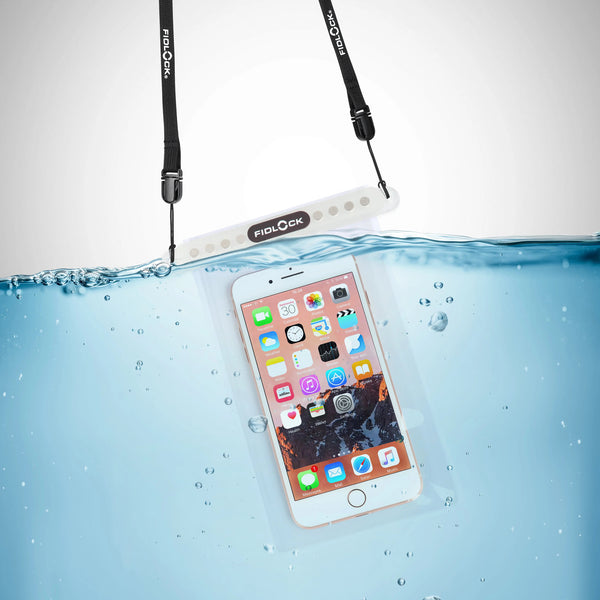



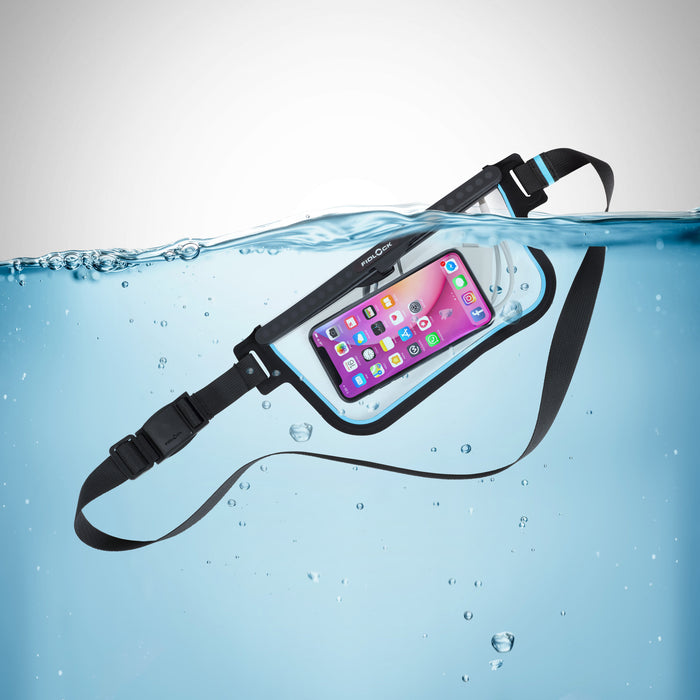
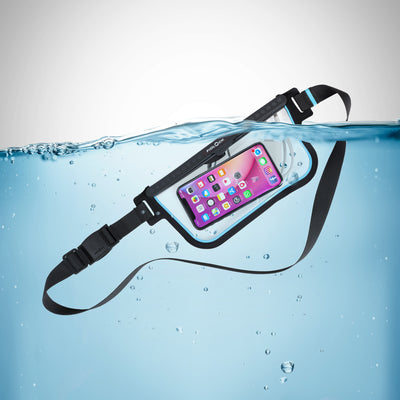
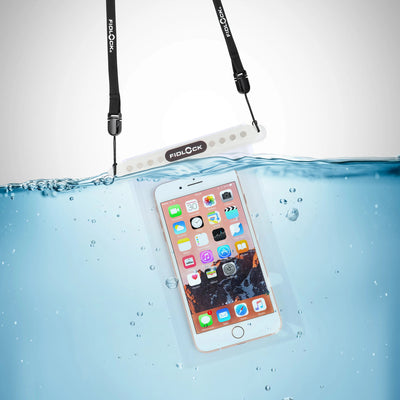

Open water swimmers usually solve the car key problem one of three ways: leave it with a friend, hide it, or carry it sealed on their body. Carrying it in a waterproof pocket is the only option that works for solo swims and point-to-point swims where you don't come back to where you started.
The common options
A friend on the beach
Ideal when you have one. Not always possible for early solo swims.
Hiding it
Tyres, wheel arches and towels are known spots. Not worth the risk.
A swim buoy with a dry pocket
Tow floats make you visible and some have a dry compartment. Check how well sealed it is before trusting it with a key fob.
A waterproof pocket on you
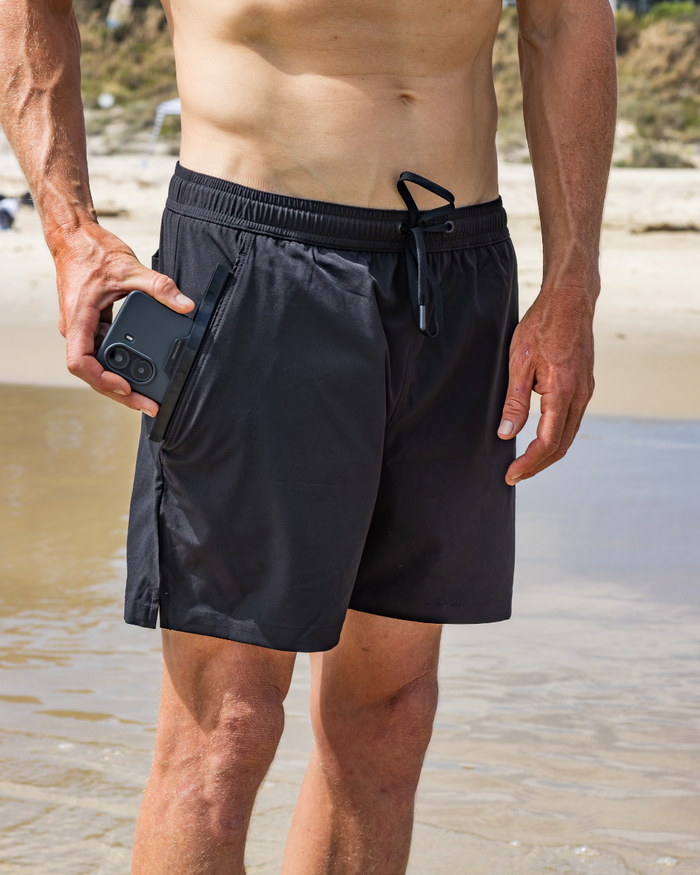
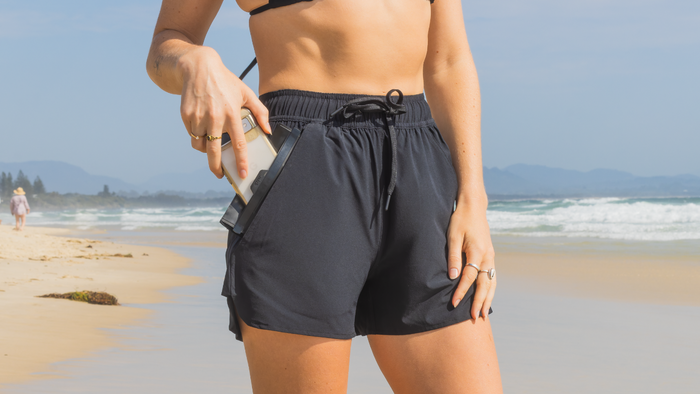
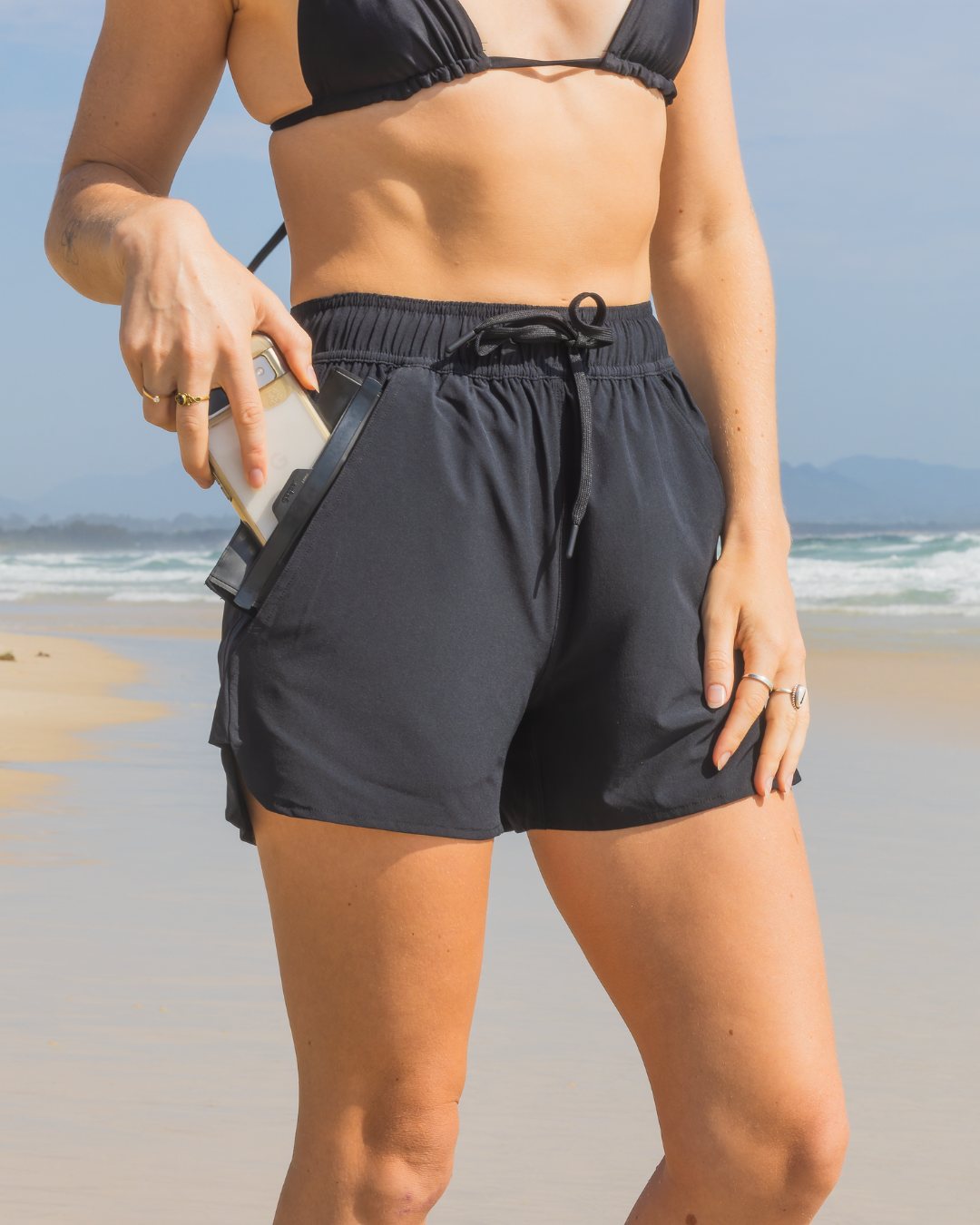
Our swim shorts have a hidden pocket, sealed by magnets and IPX8-rated to 30 metres, so the key and phone are with you from the car park to the finish.
Why carry your phone?
For solo and point-to-point swims, having your phone on you means you can call a lift, check conditions or call for help when you get out.
Open water safety basics
- Swim with a buddy or group where you can.
- Wear a bright cap and consider a tow float.
- Tell someone your route and finish time.
- Check tides, wind and swell before you go.
What we'd wear
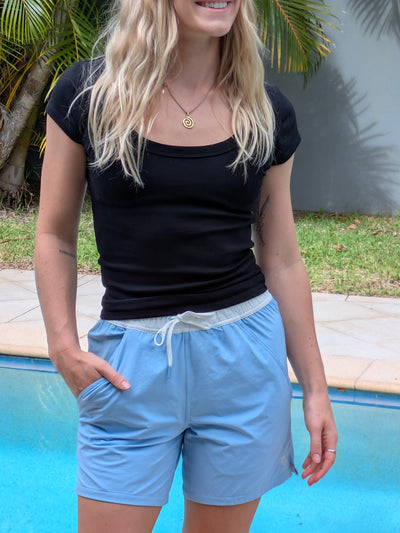
Men: black swim shorts. Women: The Pass mid-length, with 4-way stretch.
“Great for swimming. As advertised, it keeps valuables dry!” Manuel B.
FAQs
Will a waterproof pocket slow me down?
With just a key and phone, the pocket sits flat and most swimmers don't notice it.